For years, Jenn Harper battled addiction and was once on the brink of losing everything. Then, she rebuilt her life, focusing her energy on creating Cheekbone Beauty—a sustainable brand that gives back to her Indigenous community. Here, Jenn explains how she overcame alcoholism, generational trauma, and the challenges of starting her business with just $500.
Everyone’s motivation for starting a business is different, but there’s one factor that comes up more often than most when talking with Indigenous founders: community. Some have created a business in response to challenges faced by neighbors, while others have sought to create jobs or are aiming to represent their community’s heritage on a broader stage.
Vivek Jain was living his dream, married and working as a venture capitalist in Bermuda. Then: divorce. At 34, Vivek found himself living with his parents and starting over. Today, he measures success differently—not by his bank balance. But to get there, he had to learn the hard way.
On an otherwise unremarkable Wednesday morning, Kerry Butt walked out the door of her successful seven-year-old clothing shop forever. She didn’t want to be tethered to one place. With a child’s DIY candle-making kit and a dream of living in the country, Kerry built a new business that she could grow from anywhere.
Vegan fashion is a term that once called up images of burlap-like fabrics and unflattering shapes. But the world of ethical apparel has grown significantly in the past decade, shaking its “crunchy granola” reputation and attracting some of the biggest names in fashion. As style expert Stacy London tells us, the industry can’t afford to ignore the movement.
By the time he started college, Colm Dillane had already been printing T-shirts in his parents’ basement. But that “business” would later be the catalyst for KidSuper, a brand that would later catch fire with the cool kids. It would also take Colm and his friends on a calamitous cross-U.S. road trip to ComplexCon, an annual event attended by some of the world’s biggest names in pop culture and streetwear.
Jesse Herbert left his job with the federal government to launch his company Oopsmark. But, feeling trapped by the confines of his new studio, he gave up his lease, outsourced shipping, and took off on a four-month European cycling trip. Jesse explains how he made it happen and what he learned about running his company from a bicycle.
For this group of designers, creating an outfit or accessory goes beyond considering its aesthetics—the decisions are about helping individuals express who they are through what they wear. This is how they’ve mined their personal experiences—and identities—to make T-shirts to support the LGBTQ+ community, affordable lace front wigs for drag queens, and environmentally sustainable androgynous clothing options.
Gauri Manglik and Sadaf Siddique struggled to find books featuring accurate representations of South Asian cultures to share with their children. “There’s no market for multicultural books,” U.S. publishers would tell them. Wanting to prove the industry wrong, the duo launched KitaabWorld, an online bookstore selling curated South Asian voices and themes in children’s books.
Raphaëlle Gagnon and Mark Coelho have traveled to dozens of Canada’s most beautiful places over the past few years, harvesting wild plants for botanically infused soaps, salts, lotions, and oils. They run their company, Boreal Folk Apothecary, from anywhere with their mobile “wilderness lab”—a vintage Greyhound bus and trailer.
In the world of Riverdale’s Veronica Lodge, you really can have it all—a full-time high school career and a side gig with plenty of time leftover for her totally normal teen hobbies: catching murderers and orchestrating prison breaks. How can you, too, be your own boss? Follow these 12 rules to live and work by, according to the teen mogul and her friends.
Brandon and Kaleena Morrison’s father struck out on his own, building an ice cream business from the ground up. The siblings never wanted to take the reins of their father’s business. Yet, years later, as they discussed plans for their skin- and hair-care brand, United & Free, they would draw on what they learned from him to do it their own way.
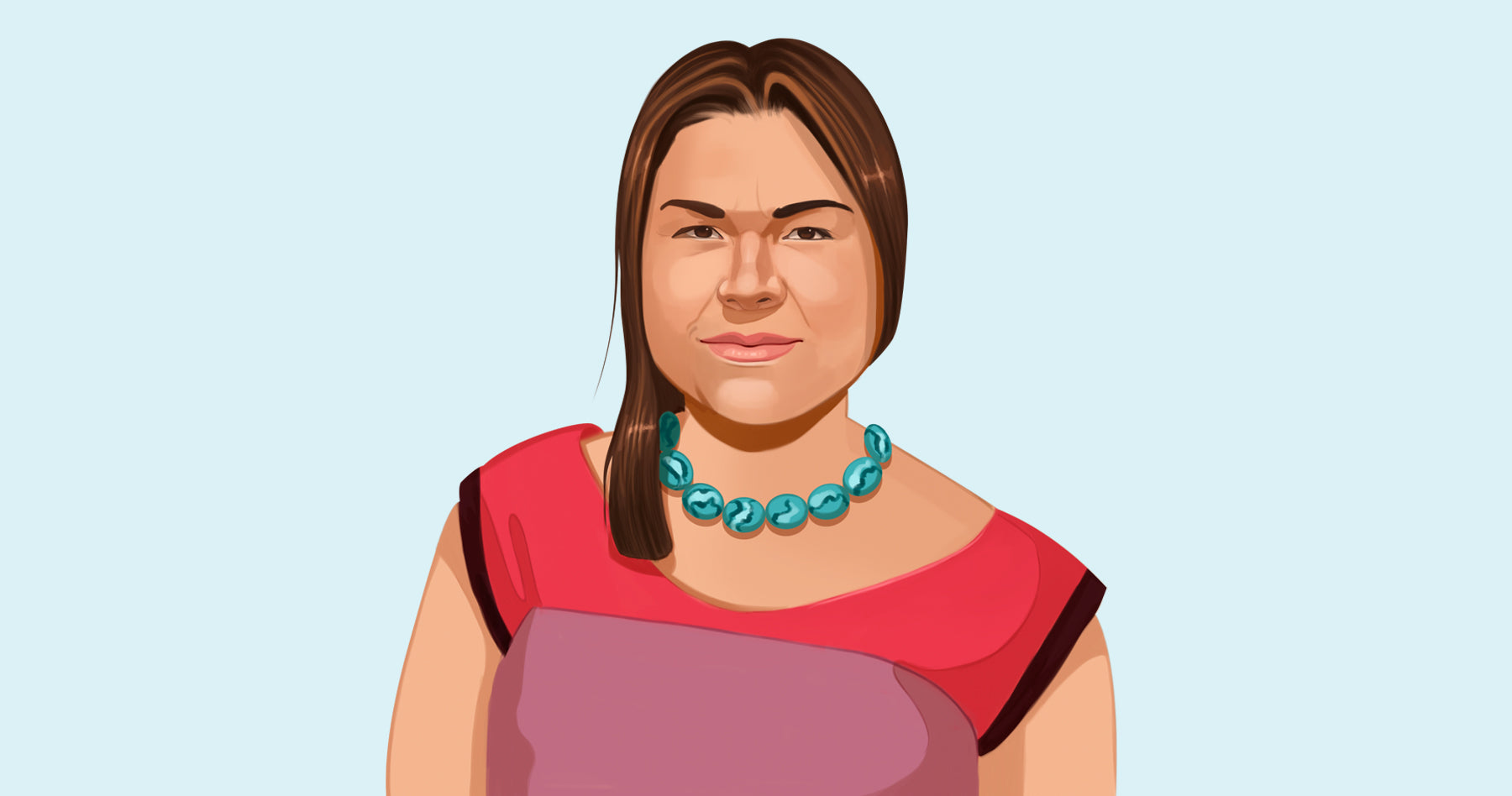 For years, Jenn Harper battled addiction and was once on the brink of losing everything. Then, she rebuilt her life, focusing her energy on creating Cheekbone Beauty—a sustainable brand that gives back to her Indigenous community. Here, Jenn explains how she overcame alcoholism, generational trauma, and the challenges of starting her business with just $500.
 Everyone’s motivation for starting a business is different, but there’s one factor that comes up more often than most when talking with Indigenous founders: community. Some have created a business in response to challenges faced by neighbors, while others have sought to create jobs or are aiming to represent their community’s heritage on a broader stage.
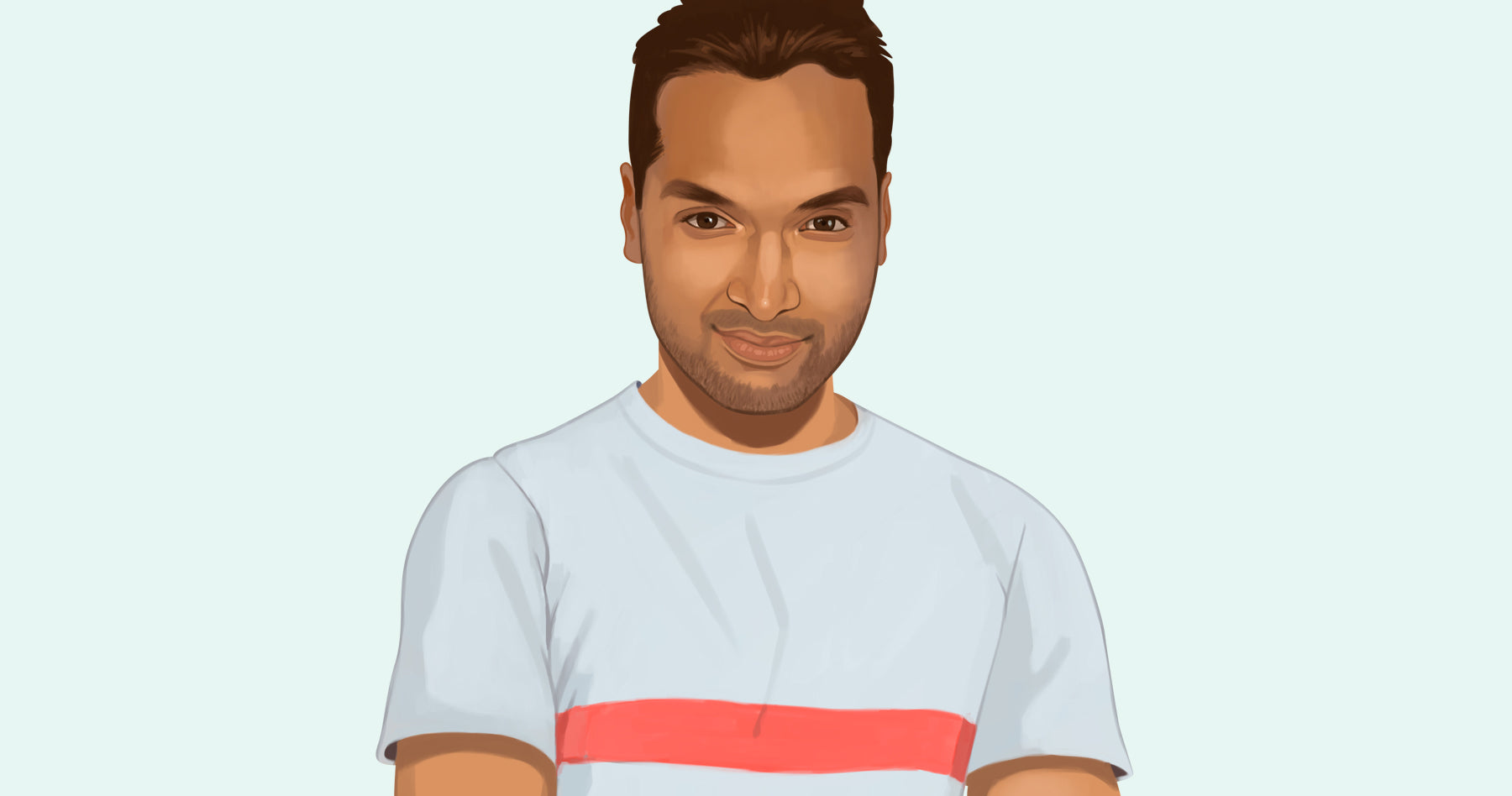 Vivek Jain was living his dream, married and working as a venture capitalist in Bermuda. Then: divorce. At 34, Vivek found himself living with his parents and starting over. Today, he measures success differently—not by his bank balance. But to get there, he had to learn the hard way.
 On an otherwise unremarkable Wednesday morning, Kerry Butt walked out the door of her successful seven-year-old clothing shop forever. She didn’t want to be tethered to one place. With a child’s DIY candle-making kit and a dream of living in the country, Kerry built a new business that she could grow from anywhere.
 Vegan fashion is a term that once called up images of burlap-like fabrics and unflattering shapes. But the world of ethical apparel has grown significantly in the past decade, shaking its “crunchy granola” reputation and attracting some of the biggest names in fashion. As style expert Stacy London tells us, the industry can’t afford to ignore the movement.
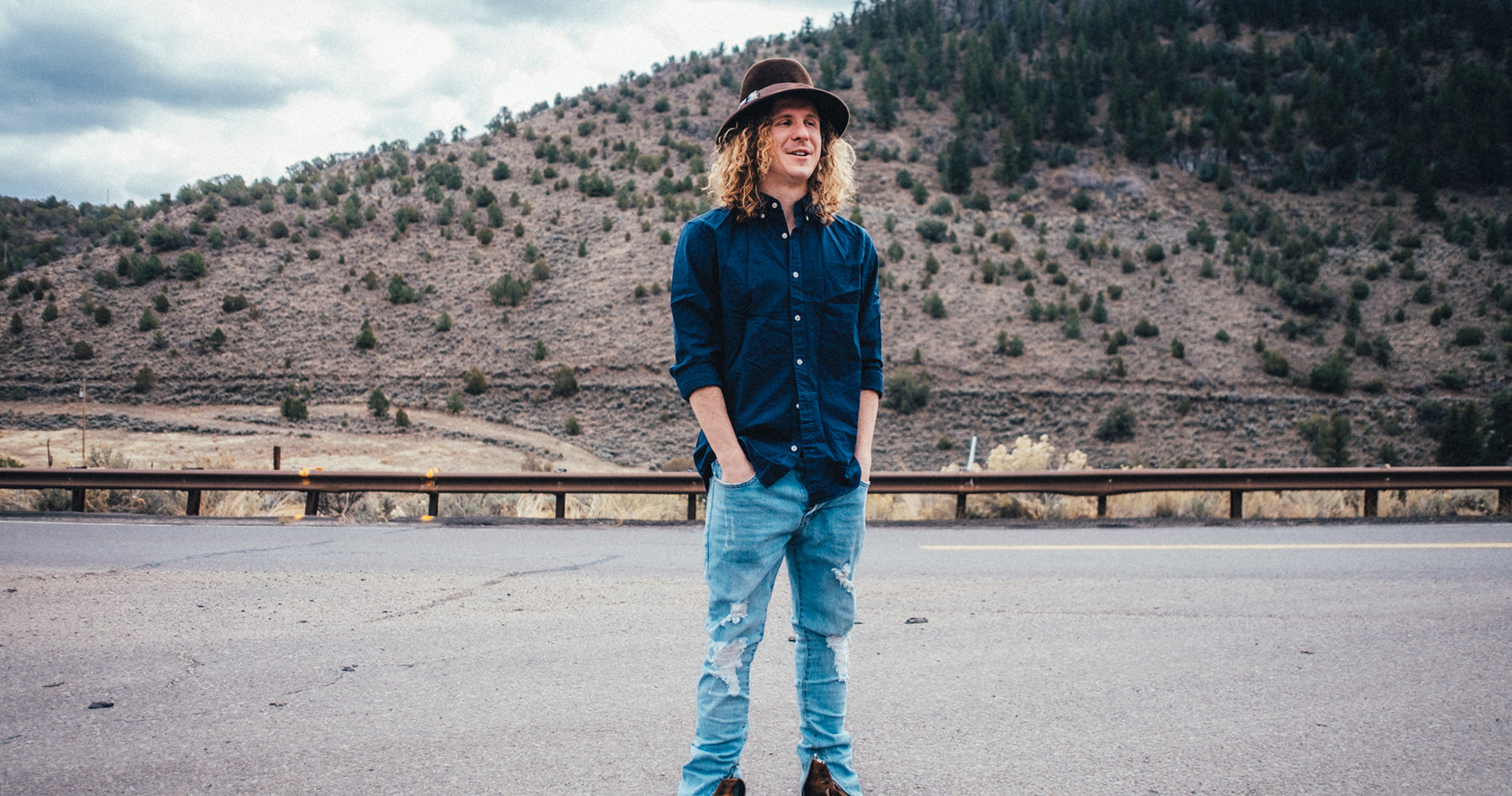 By the time he started college, Colm Dillane had already been printing T-shirts in his parents’ basement. But that “business” would later be the catalyst for KidSuper, a brand that would later catch fire with the cool kids. It would also take Colm and his friends on a calamitous cross-U.S. road trip to ComplexCon, an annual event attended by some of the world’s biggest names in pop culture and streetwear.
 Jesse Herbert left his job with the federal government to launch his company Oopsmark. But, feeling trapped by the confines of his new studio, he gave up his lease, outsourced shipping, and took off on a four-month European cycling trip. Jesse explains how he made it happen and what he learned about running his company from a bicycle.
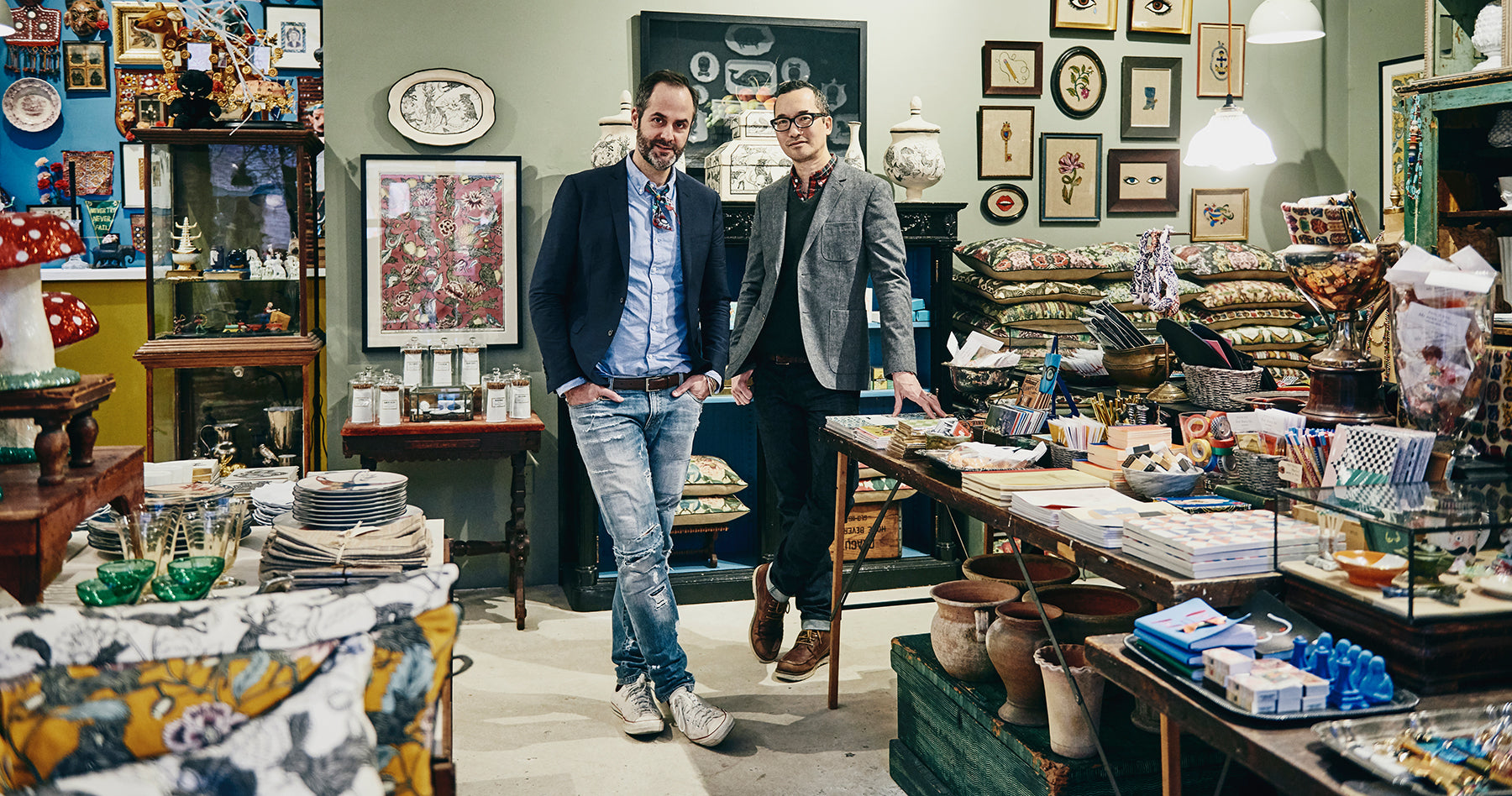 For this group of designers, creating an outfit or accessory goes beyond considering its aesthetics—the decisions are about helping individuals express who they are through what they wear. This is how they’ve mined their personal experiences—and identities—to make T-shirts to support the LGBTQ+ community, affordable lace front wigs for drag queens, and environmentally sustainable androgynous clothing options.
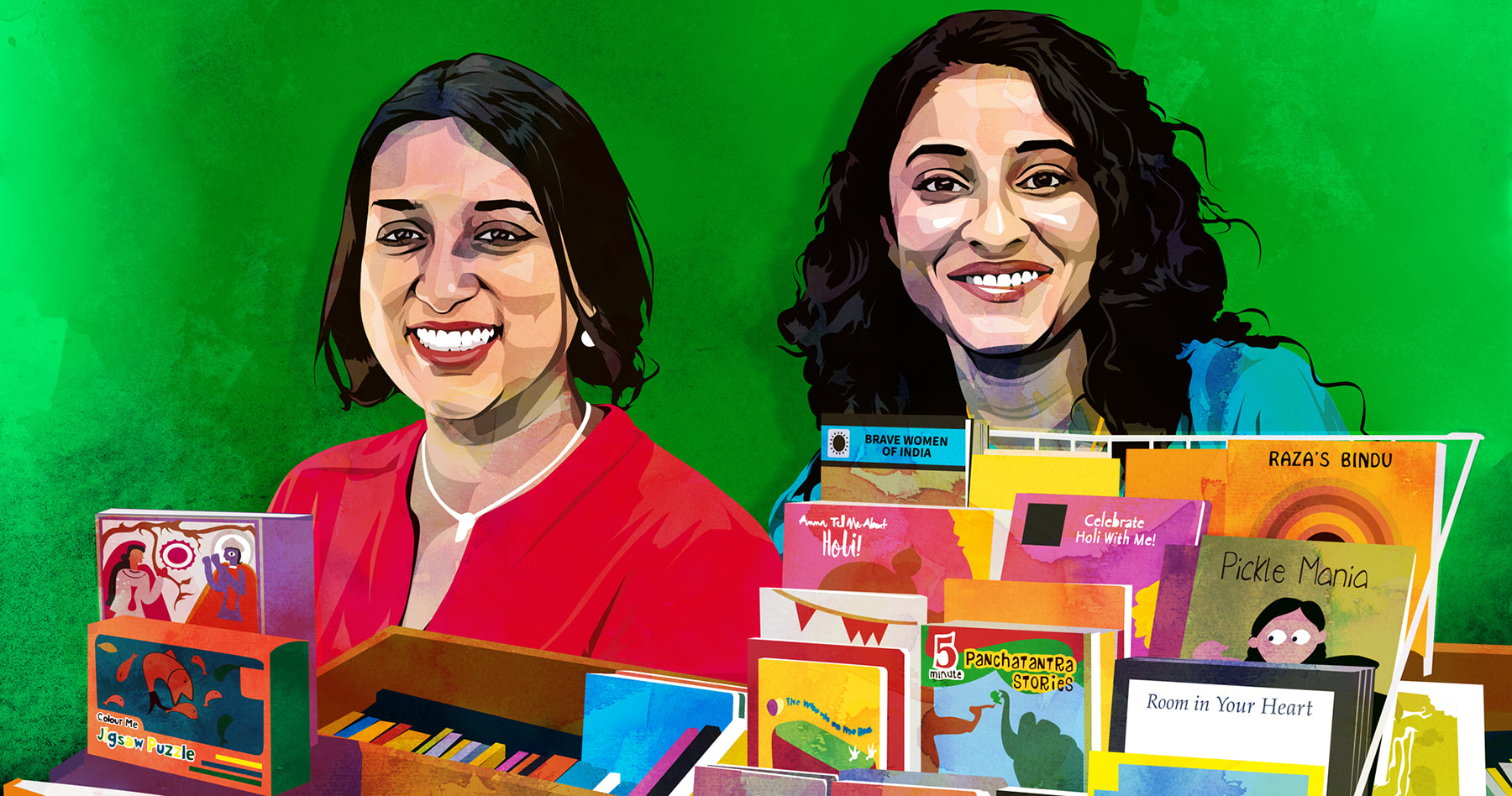 Gauri Manglik and Sadaf Siddique struggled to find books featuring accurate representations of South Asian cultures to share with their children. “There’s no market for multicultural books,” U.S. publishers would tell them. Wanting to prove the industry wrong, the duo launched KitaabWorld, an online bookstore selling curated South Asian voices and themes in children’s books.
 Raphaëlle Gagnon and Mark Coelho have traveled to dozens of Canada’s most beautiful places over the past few years, harvesting wild plants for botanically infused soaps, salts, lotions, and oils. They run their company, Boreal Folk Apothecary, from anywhere with their mobile “wilderness lab”—a vintage Greyhound bus and trailer.
 In the world of Riverdale’s Veronica Lodge, you really can have it all—a full-time high school career and a side gig with plenty of time leftover for her totally normal teen hobbies: catching murderers and orchestrating prison breaks. How can you, too, be your own boss? Follow these 12 rules to live and work by, according to the teen mogul and her friends.
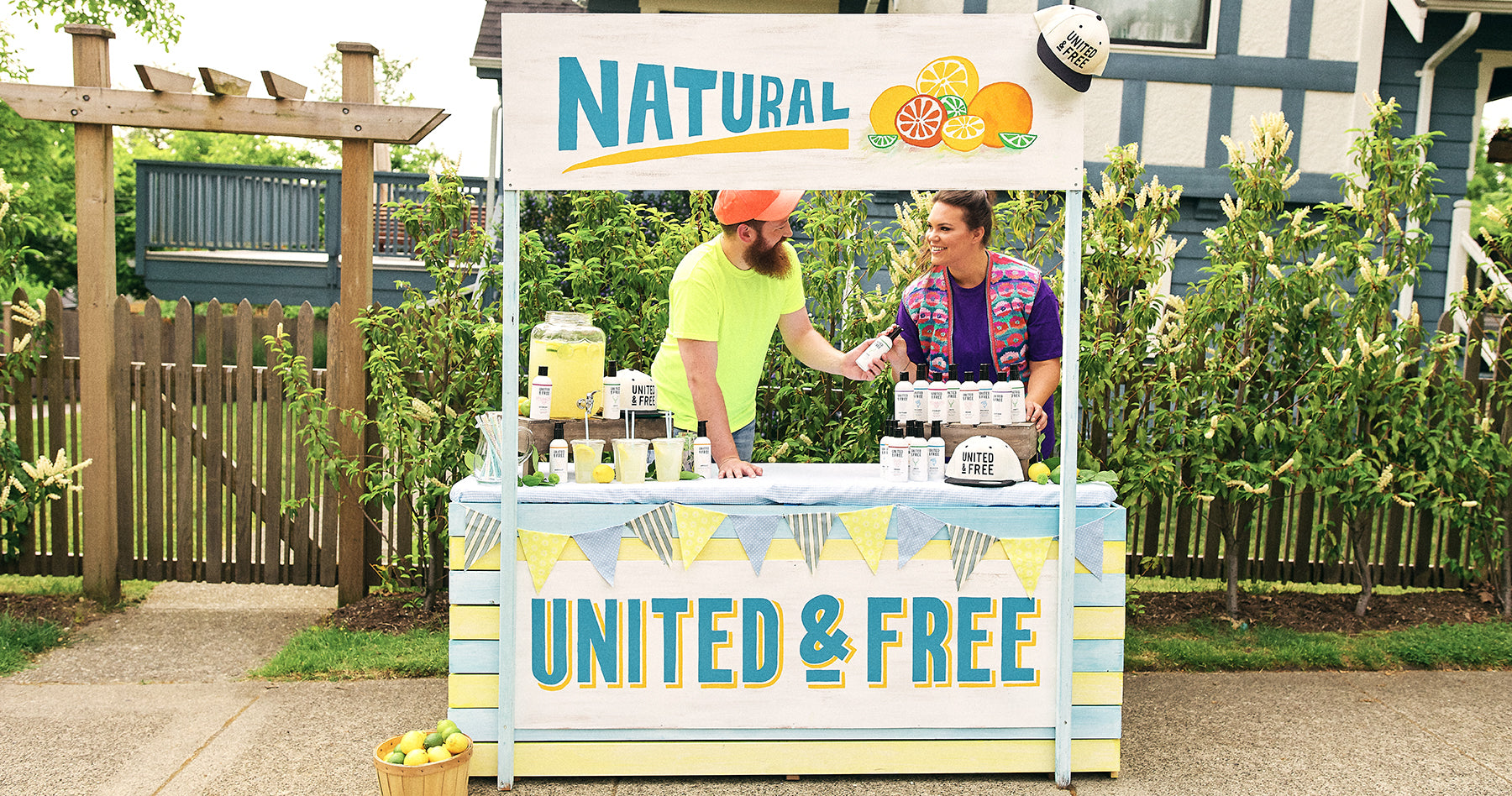 Brandon and Kaleena Morrison’s father struck out on his own, building an ice cream business from the ground up. The siblings never wanted to take the reins of their father’s business. Yet, years later, as they discussed plans for their skin- and hair-care brand, United & Free, they would draw on what they learned from him to do it their own way.
 For years, Jenn Harper battled addiction and was once on the brink of losing everything. Then, she rebuilt her life, focusing her energy on creating Cheekbone Beauty—a sustainable brand that gives back to her Indigenous community. Here, Jenn explains how she overcame alcoholism, generational trauma, and the challenges of starting her business with just $500.
 Vivek Jain was living his dream, married and working as a venture capitalist in Bermuda. Then: divorce. At 34, Vivek found himself living with his parents and starting over. Today, he measures success differently—not by his bank balance. But to get there, he had to learn the hard way.
 For this group of designers, creating an outfit or accessory goes beyond considering its aesthetics—the decisions are about helping individuals express who they are through what they wear. This is how they’ve mined their personal experiences—and identities—to make T-shirts to support the LGBTQ+ community, affordable lace front wigs for drag queens, and environmentally sustainable androgynous clothing options.
  In the world of