Acting as the bridge from farm to cup, Rwanda Bean uses a model of sustainable growth, investing half of its profits back into farmer communities. The Maine-based coffee company is the result of a partnership between Mike Mwenedata and Nick Mazuroski—who met at the gym.
Peppered with historic districts and more than 1,600 temples, Kyoto is where the past meets the present. The art of crafting can be traced back to makers who serviced the royal family in this onetime capital. But a new wave of creators are carrying on the tradition with a twist. They’re morphing kimonos into guitar straps, altering the classic method of gift wrapping, and showcasing the bento box in a new light—in Kyoto, and nowhere else.
Liz Bertorelli really wanted a French bulldog. So, in 2013, she set a goal for herself: If she could somehow make an extra $5,000, she would get one. Though she had a full-time job at the time, she started an online print-on-demand T-shirt company to help her meet that goal more quickly. She exceeded it in a matter of months. Roughly five years, one dog, and a full rebrand later, Passionfruit—Liz’s LGBTQ+ apparel brand and online store—is still kicking. And, her “Protect Trans Kids” T-shirt sales surged after one just like it starred on Saturday Night Live.
Oscar Muñoz was only 18 when he began rescuing discarded glass bottles from the trash and transforming them into drinking glasses to sell online. He started Green Glass partly as a reaction to the dismal recycling programs in his native Chile, but his central motivation was to save his family from financial ruin. In his words, Oscar explains how he got back to black.
Home. It’s a physical location, but also a feeling. When the place we call home is also the place where we work and create, it defines us as much as we define it. Makers and founders around the world are at the heart of the communities where they do business. This series, And Nowhere Else, examines the relationship between the places they live and what they choose to create.
Within six months of the devastation of Hurricane Irma, many of Key West’s shops and hotels were back up and running. Local distiller Paul Menta says it wouldn’t have been possible without the strength of the business community. This tight-knit island opens its arms to outsiders—though you’re not a “conch” unless you were born here—and the result is a mixed bag of adventure-seekers, displaced artists, retirees, and “oddballs.” These are their stories.
From the picturesque Ritoma Village in the Tibetan Plateau, Dechen Yeshi runs Norlha Textiles—the first luxury brand from this region. She and her team began producing cozy scarves once picked up by European fashion houses like Hermès and Louis Vuitton but that are now made under Norlha’s label, along with beanies, pullovers, and blankets. But Dechen didn’t just create a brand, she created a local economy: over 140 artisans power Norlha.
What do a vegan butcher, a book publisher, and a tampon designer have in common? They’re all entrepreneurs dedicating their lives to causes close to their hearts. Meet the women of social change.
As an entrepreneur, let alone a female entrepreneur, there’s not really any road map to follow. There’s no blueprint on how to do this. The biggest learning curve is trying to figure out your own way. So, for me, any time I can come in contact with somebody else who’s doing it, I want to soak in as much advice from them as I can. Here, I speak with different female-owned-and-operated companies who give me their takes on what has made them, and their brands, a success.
When Mary Young started her eponymous lingerie line, she envisioned making intimate wear for women like herself—those who wanted sexy undergarments that were also comfortable enough to wear on a day-to-day basis. In other words, lingerie made to feel good, not just look good. And, her spinoff “movement,” Self Love Club, is a safe online space where women can not only share their struggles with body image but also celebrate what they love about themselves.
We’re covering the ups—and downs—of people who’ve built something from the ground up. Our hope is that through their hits and misses, you can find purpose and inspiration for whatever idea you’ve been thinking about.
Ashley Nell Tipton’s first retail job introduced her to a community of plus-size women underserved by the fashion industry. It was a sales role that morphed into that of an ersatz therapist, she says—she helped talk customers out of their insecurities and into clothes that made them feel confident. The experience would drive her to a career as a designer and spokesperson for a plus-size community that’s anything but niche: over 65 percent of women in the U.S. are at least a size 14. Peek behind the seams with the first plus-size designer to win Project Runway.
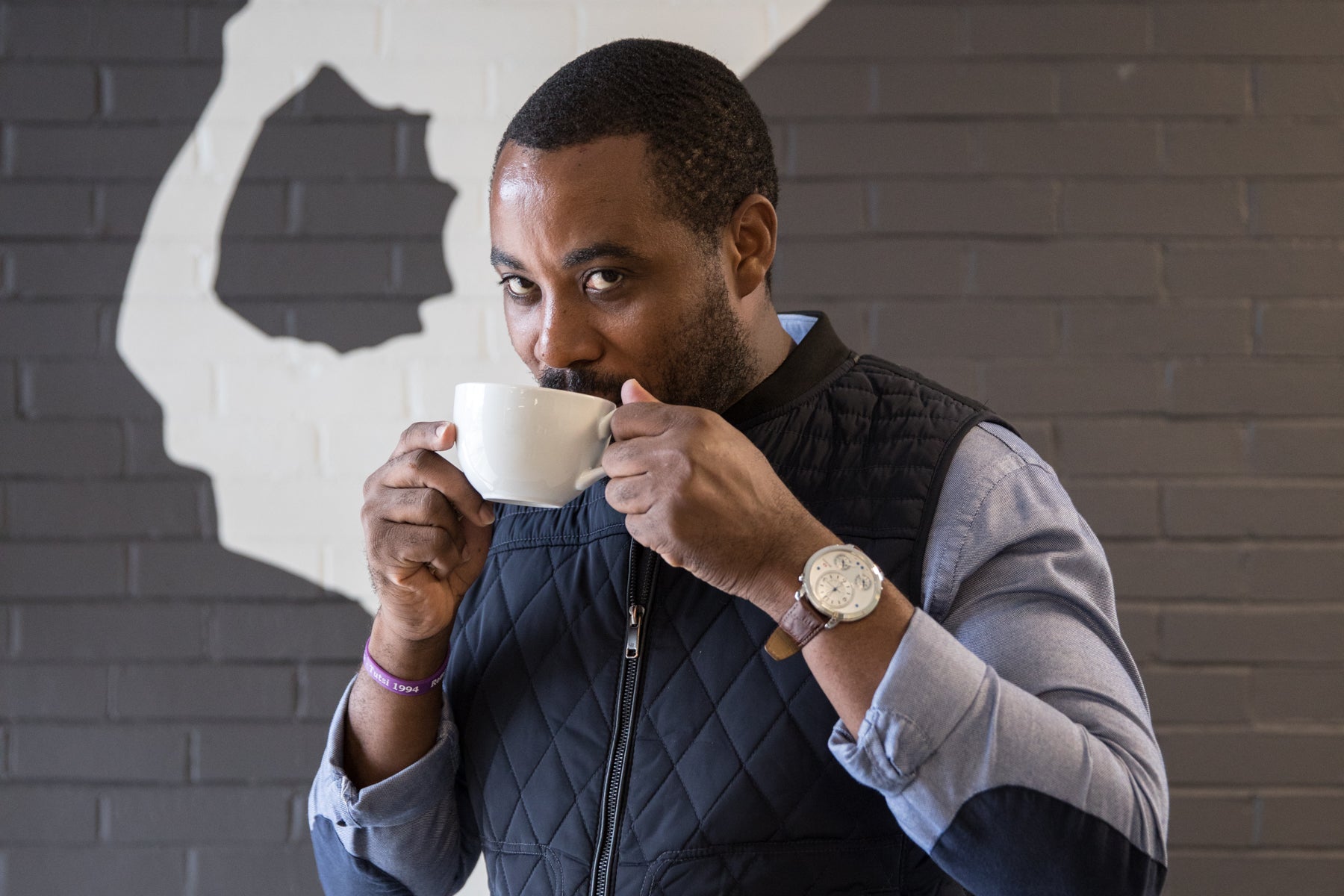 Acting as the bridge from farm to cup, Rwanda Bean uses a model of sustainable growth, investing half of its profits back into farmer communities. The Maine-based coffee company is the result of a partnership between Mike Mwenedata and Nick Mazuroski—who met at the gym.
 Peppered with historic districts and more than 1,600 temples, Kyoto is where the past meets the present. The art of crafting can be traced back to makers who serviced the royal family in this onetime capital. But a new wave of creators are carrying on the tradition with a twist. They’re morphing kimonos into guitar straps, altering the classic method of gift wrapping, and showcasing the bento box in a new light—in Kyoto, and nowhere else.
 Liz Bertorelli really wanted a French bulldog. So, in 2013, she set a goal for herself: If she could somehow make an extra $5,000, she would get one. Though she had a full-time job at the time, she started an online print-on-demand T-shirt company to help her meet that goal more quickly. She exceeded it in a matter of months. Roughly five years, one dog, and a full rebrand later, Passionfruit—Liz’s LGBTQ+ apparel brand and online store—is still kicking. And, her “Protect Trans Kids” T-shirt sales surged after one just like it starred on Saturday Night Live.
 Oscar Muñoz was only 18 when he began rescuing discarded glass bottles from the trash and transforming them into drinking glasses to sell online. He started Green Glass partly as a reaction to the dismal recycling programs in his native Chile, but his central motivation was to save his family from financial ruin. In his words, Oscar explains how he got back to black.
 Home. It’s a physical location, but also a feeling. When the place we call home is also the place where we work and create, it defines us as much as we define it. Makers and founders around the world are at the heart of the communities where they do business. This series, And Nowhere Else, examines the relationship between the places they live and what they choose to create.
 Within six months of the devastation of Hurricane Irma, many of Key West’s shops and hotels were back up and running. Local distiller Paul Menta says it wouldn’t have been possible without the strength of the business community. This tight-knit island opens its arms to outsiders—though you’re not a “conch” unless you were born here—and the result is a mixed bag of adventure-seekers, displaced artists, retirees, and “oddballs.” These are their stories.
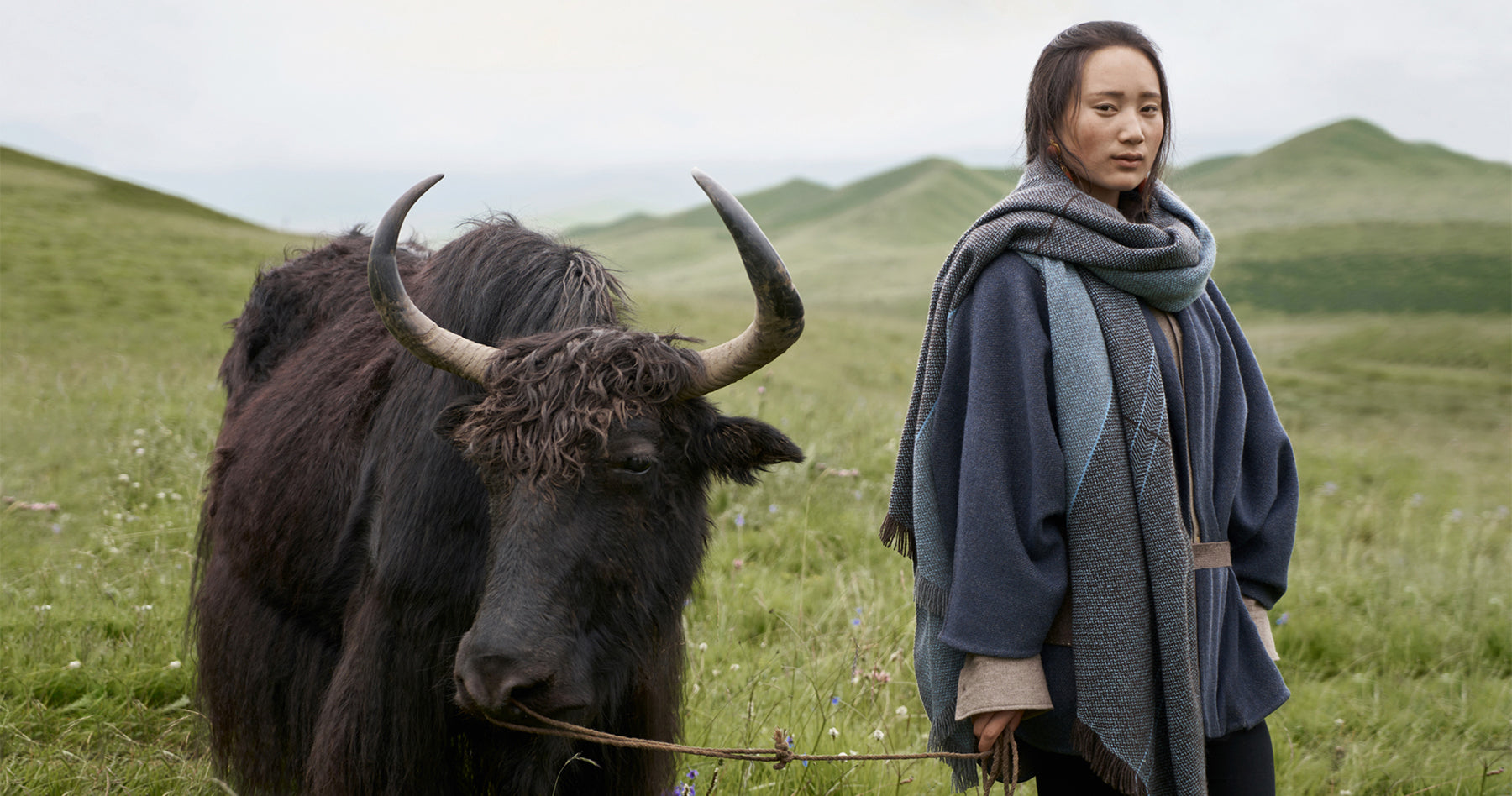 From the picturesque Ritoma Village in the Tibetan Plateau, Dechen Yeshi runs Norlha Textiles—the first luxury brand from this region. She and her team began producing cozy scarves once picked up by European fashion houses like Hermès and Louis Vuitton but that are now made under Norlha’s label, along with beanies, pullovers, and blankets. But Dechen didn’t just create a brand, she created a local economy: over 140 artisans power Norlha.
 What do a vegan butcher, a book publisher, and a tampon designer have in common? They’re all entrepreneurs dedicating their lives to causes close to their hearts. Meet the women of social change.
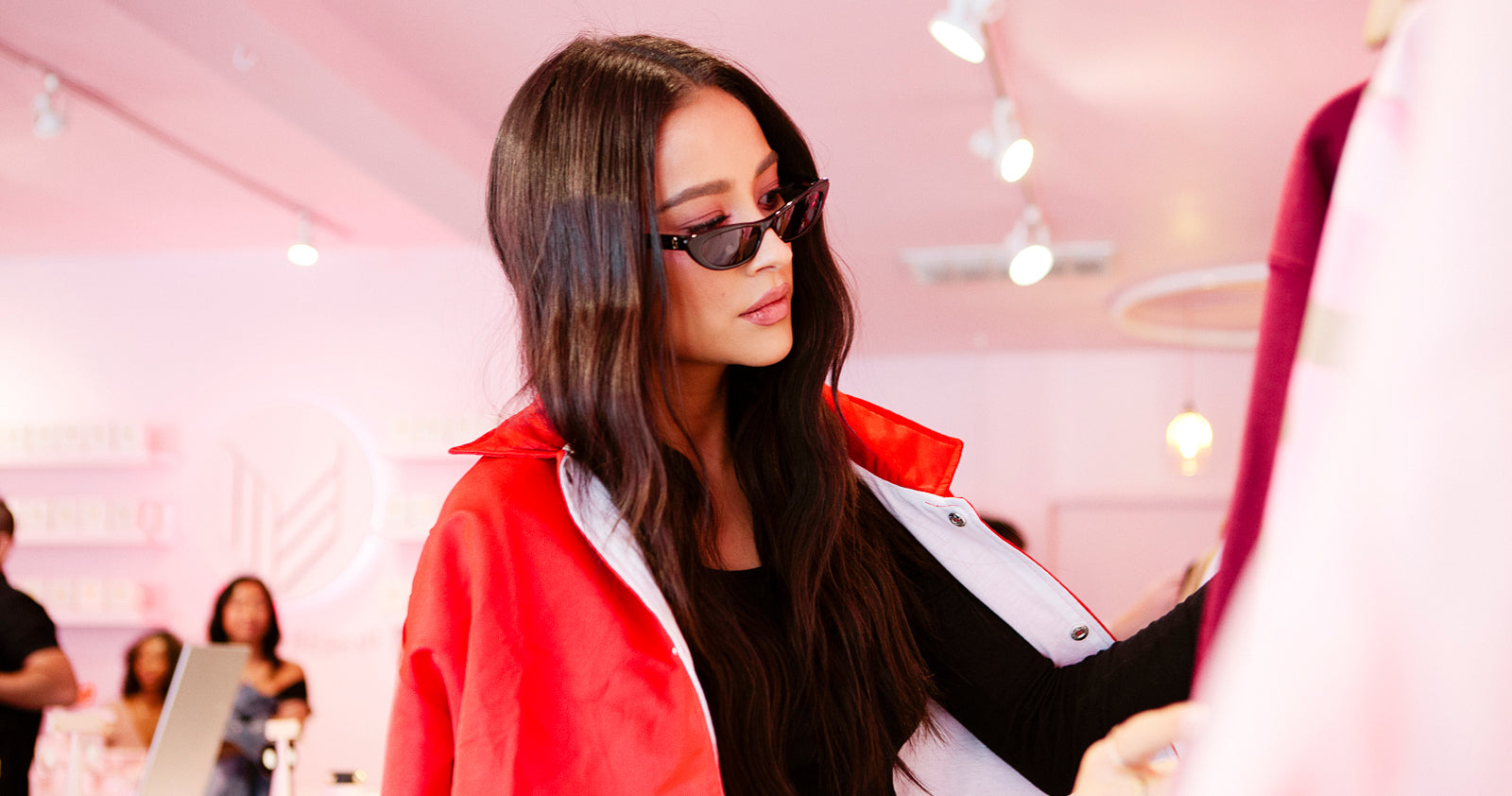 As an entrepreneur, let alone a female entrepreneur, there’s not really any road map to follow. There’s no blueprint on how to do this. The biggest learning curve is trying to figure out your own way. So, for me, any time I can come in contact with somebody else who’s doing it, I want to soak in as much advice from them as I can. Here, I speak with different female-owned-and-operated companies who give me their takes on what has made them, and their brands, a success.
 When Mary Young started her eponymous lingerie line, she envisioned making intimate wear for women like herself—those who wanted sexy undergarments that were also comfortable enough to wear on a day-to-day basis. In other words, lingerie made to feel good, not just look good. And, her spinoff “movement,” Self Love Club, is a safe online space where women can not only share their struggles with body image but also celebrate what they love about themselves.
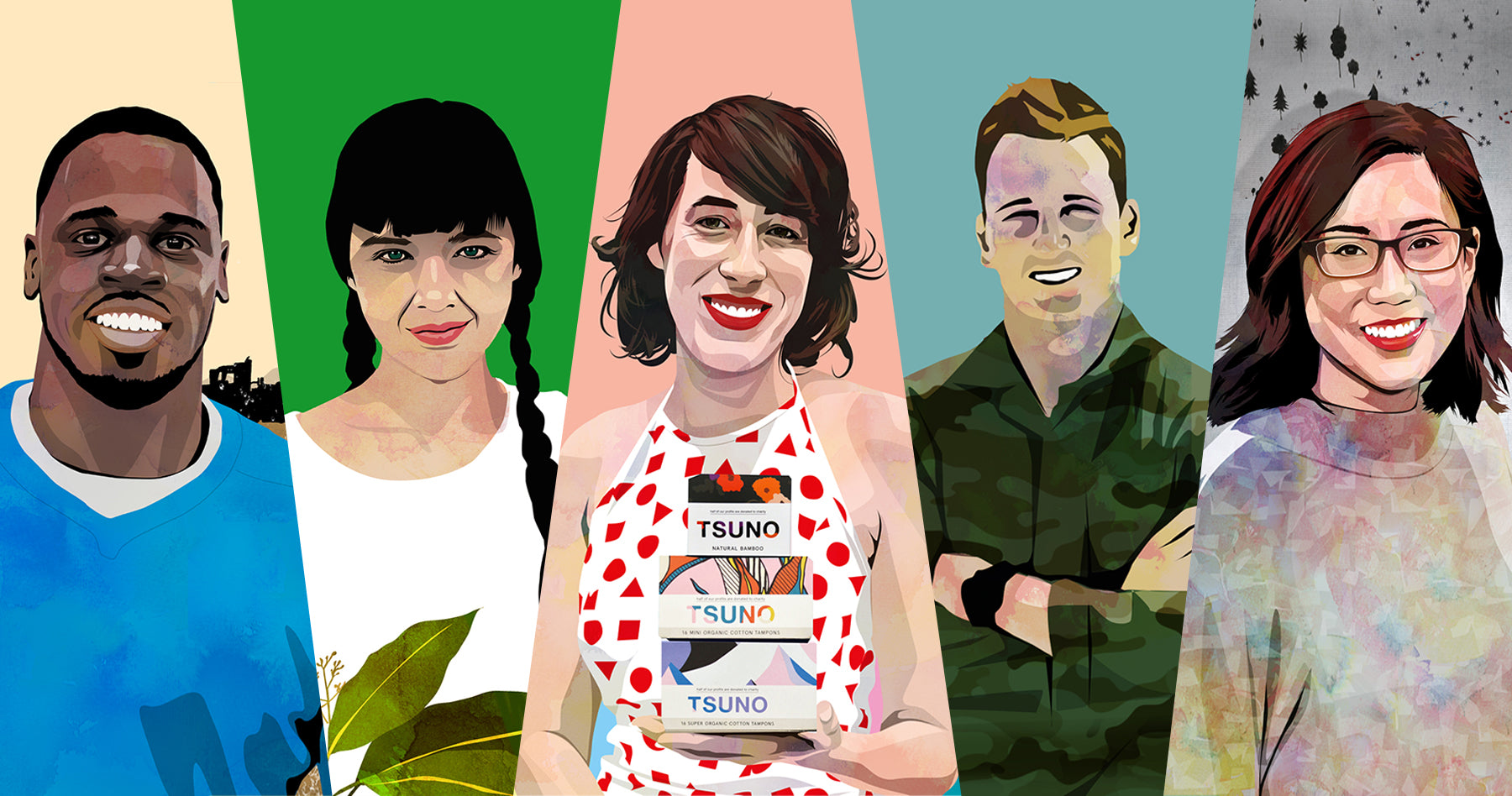 We’re covering the ups—and downs—of people who’ve built something from the ground up. Our hope is that through their hits and misses, you can find purpose and inspiration for whatever idea you’ve been thinking about.
 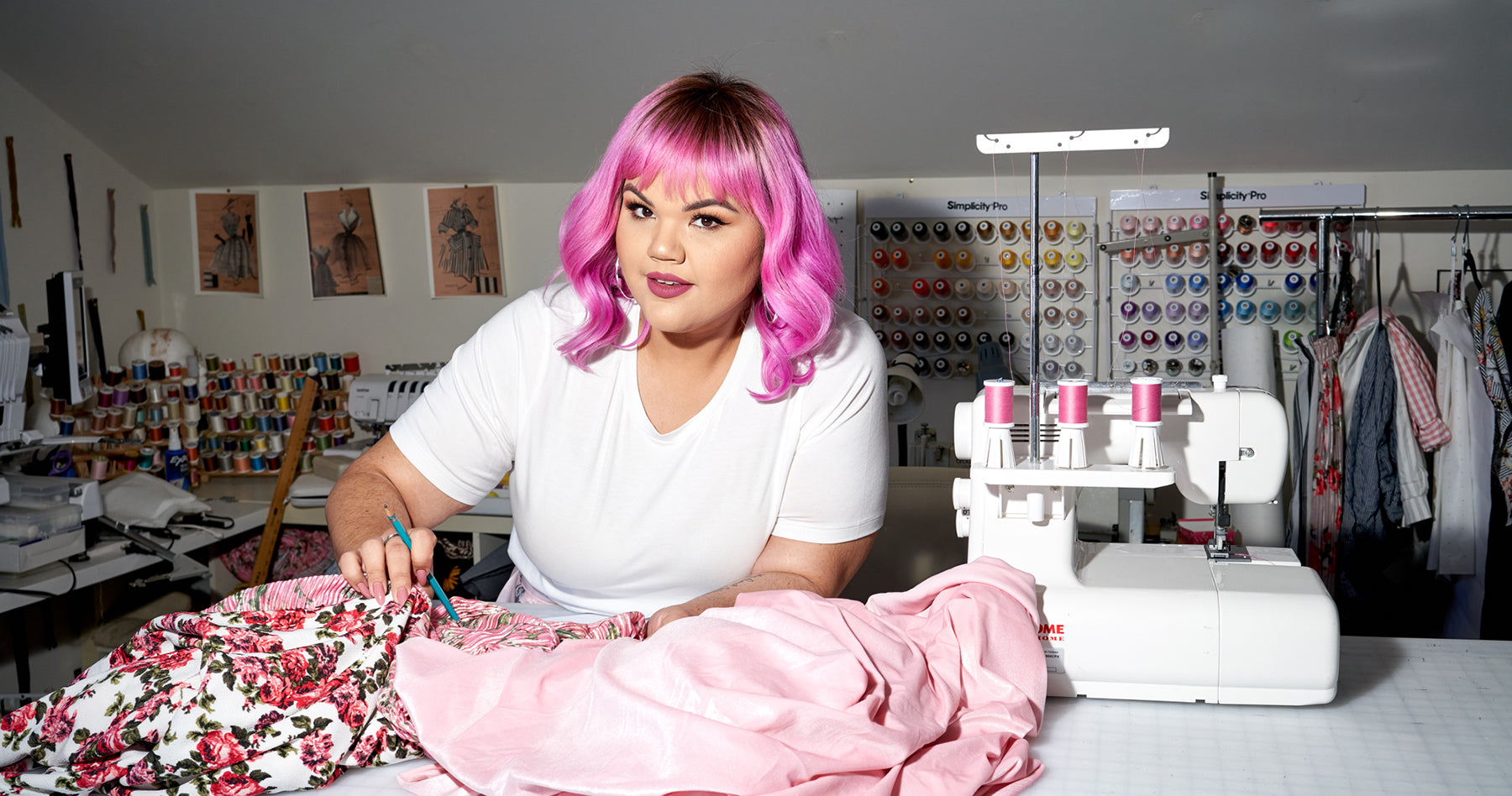 Ashley Nell Tipton’s first retail job introduced her to a community of plus-size women underserved by the fashion industry. It was a sales role that morphed into that of an ersatz therapist, she says—she helped talk customers out of their insecurities and into clothes that made them feel confident. The experience would drive her to a career as a designer and spokesperson for a plus-size community that’s anything but niche: over 65 percent of women in the U.S. are at least a size 14. Peek behind the seams with the first plus-size designer to win Project Runway.
 Acting as the bridge from farm to cup, Rwanda Bean uses a model of sustainable growth, investing half of its profits back into farmer communities. The Maine-based coffee company is the result of a partnership between Mike Mwenedata and Nick Mazuroski—who met at the gym.
